Regulated Industrial Sectors
EPA Punjab enforces Punjab Environmental Quality Standards (PEQS), requires continuous emission telemetry, and monitors industrial effluents across all major economic sectors in Punjab under the Punjab Environmental Protection Act 1997.

Compliance Guidance by Industry
Each sector keeps its own portrait, emission focus, and compliance note. Open a sector for the limits that apply on the ground.

Brick Kilns & Clay Industry
100% Zig-zag technology adoption, induced draught blowers, coal quality verification, and anti-smog emission limits.
Brick Kilns & Industrial Units
EPA Punjab has achieved 100% zig-zag transformation of registered brick kilns, dramatically cutting particulate emissions. Ongoing monitoring, anti-smog enforcement squads, and real-time CEMS telemetry ensure sustained compliance.

Textile & Wet Dyeing Mills
Industrial Effluent Treatment Plants (IETP), chemical precipitation, biological aeration, and PEQS wastewater parameters.
Steel Furnaces & Re-Rolling
Scrap melting bag house filters, Continuous Emission Monitoring Systems (CEMS), and optical opacity stack telemetry.
Chemicals & Petrochemicals
Toxic gas scrubbers, secondary chemical containment, hazardous waste disposal, and emergency disaster prevention plans.

Sugar Mills & Distilleries
Bagasse boiler wet scrubbers, spent wash treatment ponds, seasonal crush-season ambient monitoring, and ash disposal.

Cement & Heavy Minerals
Electrostatic precipitators, bag filters, limestone fugitive dust suppression, and 24/7 stack telemetry to EPA Command Room.
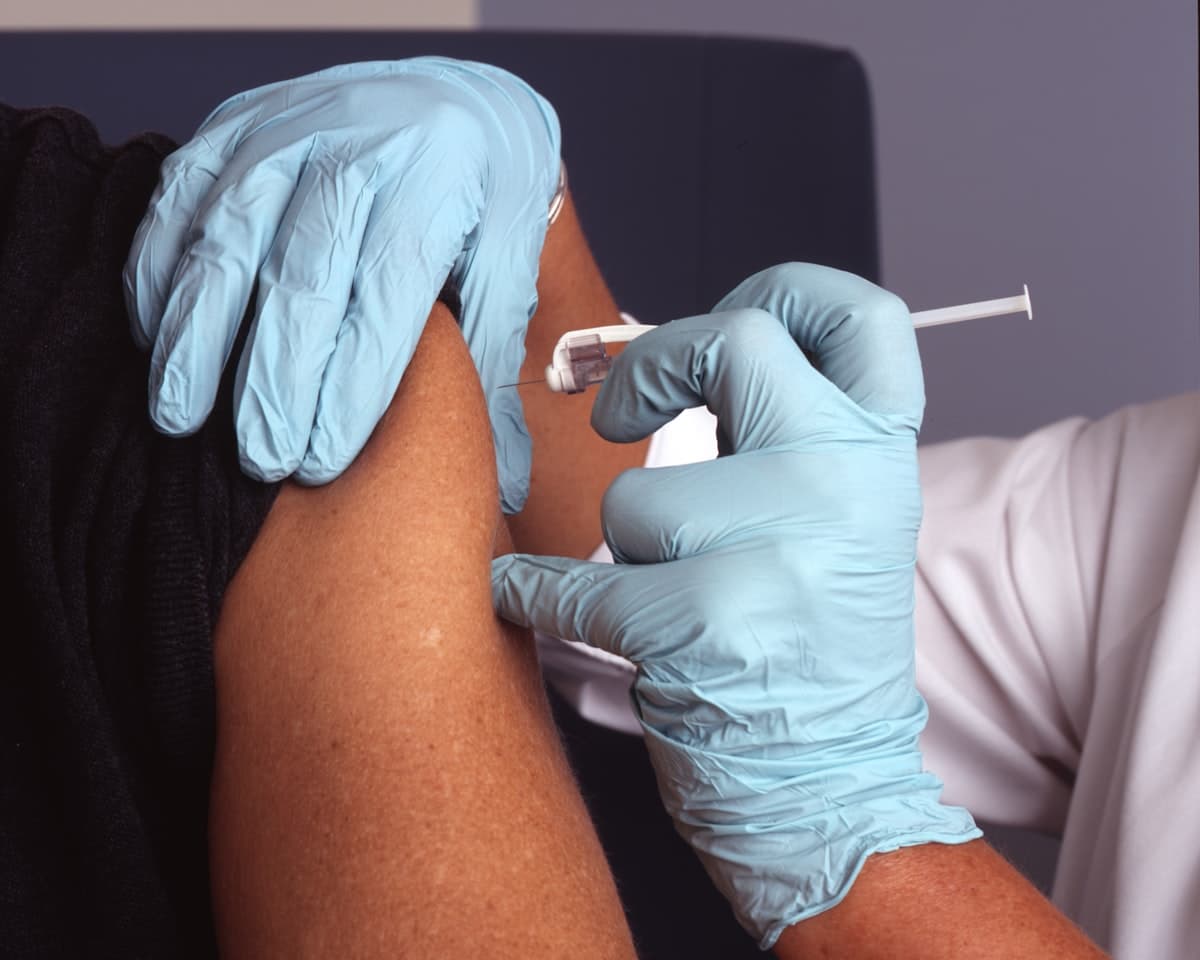
Hospitals & Healthcare
Digital QR and barcode chain-of-custody tracking, color-coded segregation, and certified high-temperature incineration.

Tanneries & Leather Hubs
Kasur Combined Effluent Treatment Plant (CETP) protocols, chromium recovery, and hazardous sludge stabilization.

Plastics & Packaging
Single-use polythene bag bans under 75 microns, manufacturer registration on PLMIS, and biodegradable resin validation.

Pulp, Paper & Board Mills
Black liquor recycling, biological wastewater digesters, fiber recovery units, and boiler emission compliance.

Food & Beverage Processing
Biological wastewater treatment plants, BOD/COD neutralization, grease interceptors, and non-toxic solid residue handling.

Urban Developments & Real Estate
Mandatory Environmental Impact Assessments, decentralized sewage treatment plants, and urban green belt afforestation mandates.
Agriculture & Stubble Burning
Stubble burning is one of Punjab's top contributors to winter smog. EPA Punjab deploys aerial thermal drone patrols and anti-smog rapid enforcement squads to detect, report, and penalise field burning, supplemented by coordination with district administrations.
Urban Forests & Green Spaces
EPD Punjab has spearheaded the creation of Pakistan's largest urban Miyawaki forests and extensive canal green buffer strips. The Punjab Green Schools programme and neighbourhood plantation drives integrate environmental education with measurable green cover outcomes.
Industrial Effluents & CEMS
Major industries in Punjab are connected to the Central Environmental Command Room via real-time CEMS telemetry. This enables automated alerts for non-compliant discharge of effluents and air emissions, ensuring Punjab Environmental Quality Standards are upheld.
Plastic & Single-Use Products
The Punjab Environmental Protection (Production and Consumption of Single-Use Plastic Product) Regulations 2023 ban targeted single-use items. The Plastic License Management Information System (PLMIS) issues licenses to producers, collectors, and recyclers online.
Hospitals & Biomedical Waste
EPD Punjab enforces strict hospital waste management regulations. A barcode-based tracking system monitors the entire lifecycle of biomedical waste from generation to final disposal, preventing illegal dumping and burning.